Regional Tensions Continue as Israel Faces Ongoing Security Threats Amid Iran-Lebanon Conflict
The security situation involving Israel, Iran, Hezbollah, and Lebanon remained tense on May 11, 2026, as international media outlets continued reporting on military operations, regional instability, and diplomatic efforts aimed at preventing broader escalation.
Reuters reported that Lebanon’s president urged the United States to pressure Israel to halt military operations and home demolitions in southern Lebanon following several days of deadly strikes. According to Reuters, Lebanese officials said dozens of people had been killed in recent attacks despite a previously announced truce framework.
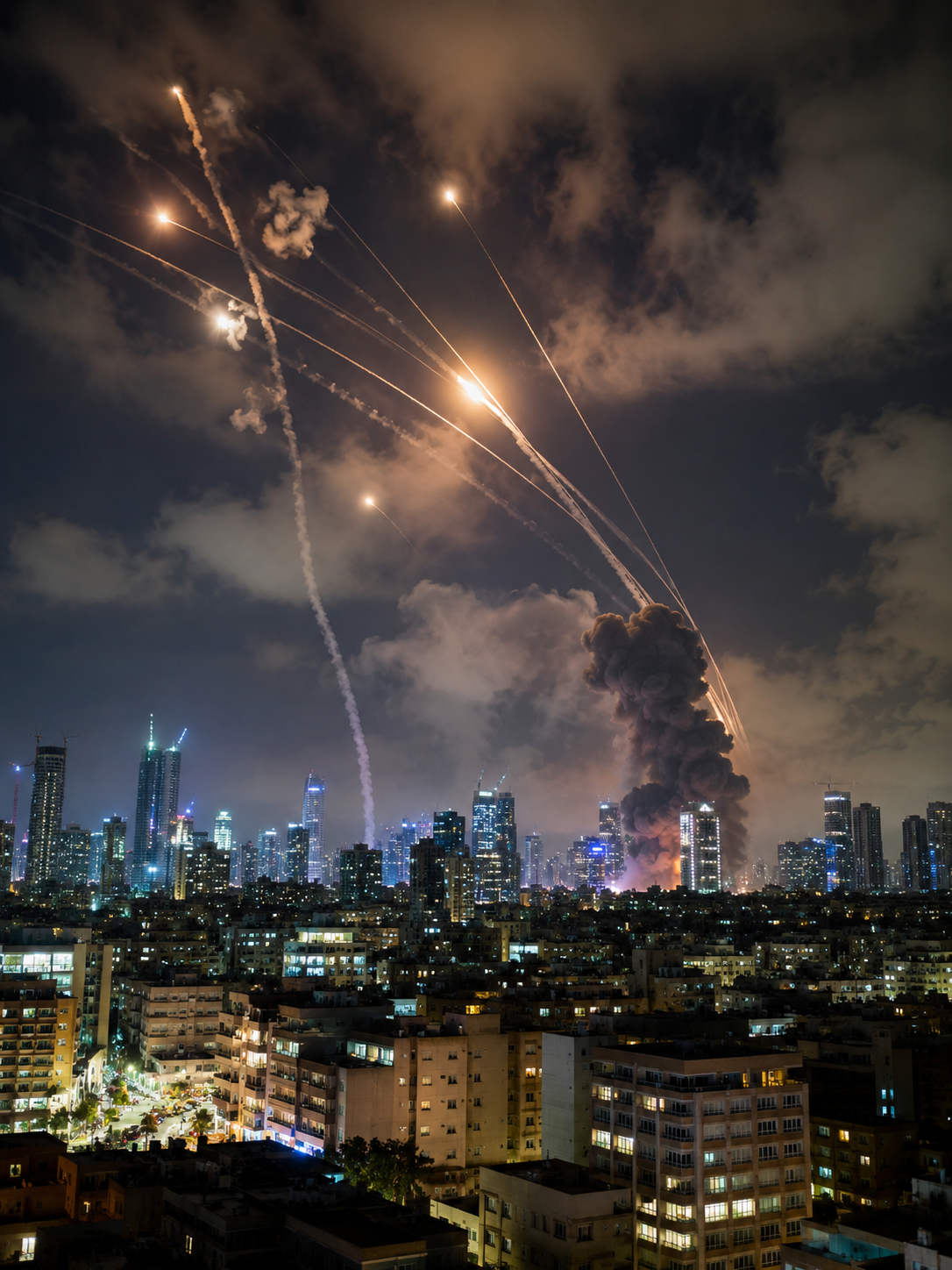
At the same time, Israeli officials and military-linked analysts continued discussing regional threats linked to Iran and Hezbollah. Reuters and Israeli media outlets reported that missile defense systems remain heavily engaged following months of regional confrontation involving Iranian missile launches and Hezbollah rocket fire.
The developments came as social media users circulated dramatic posts claiming a major incident had just occurred in Tel Aviv. One viral link suggested that an Israeli leader had officially confirmed a major emergency situation. However, no major international news agency — including Reuters, AP, BBC, AFP, or CNN — independently confirmed the specific claim circulating online.
Because of the lack of verification, the viral content should be treated cautiously. Open-source social media videos often spread rapidly during regional conflicts, but not all claims can be authenticated in real time. Journalists and fact-checkers typically rely on official statements, geolocation analysis, multiple eyewitness accounts, and confirmation from established news organizations before reporting such claims as fact.
Reuters reporting during the same period instead focused on the broader regional conflict and ongoing military operations. The agency described continued Israeli military activity in Lebanon and ongoing concerns about Iran’s missile capabilities.
Additional reporting from Israeli media and Reuters-linked coverage discussed Israel’s air defense infrastructure, including the Iron Dome and Arrow missile systems. Israeli defense officials publicly denied reports suggesting interceptor shortages and maintained that the country’s defense systems remained operational despite prolonged regional attacks.
The current conflict environment follows months of heightened instability across the Middle East. Earlier Reuters coverage documented direct military exchanges involving Iran and Israel, including missile strikes, retaliatory attacks, and threats affecting regional shipping lanes and diplomatic negotiations.
Diplomatic efforts have continued in parallel with military developments. Reuters reported that Washington is expected to host another round of talks involving Lebanese and Israeli representatives. The discussions are viewed as part of broader international attempts to reduce the risk of a wider regional war.
Analysts say misinformation and unverified wartime footage have become increasingly common during the conflict. Viral videos are often reposted across multiple platforms without clear sourcing, making verification difficult. Some clips may show older events, unrelated incidents, or edited content presented as breaking news.
For news organizations and independent publishers, verification standards remain critical during fast-moving crises. Professional media outlets typically avoid confirming battlefield claims until multiple reliable sources are available.
At the time of publication, the viral Tel Aviv-related claim referenced in the original social media link could not be confirmed through reliable international reporting. Readers are advised to follow trusted outlets and official statements for verified updates.