Policewoman Filmed After Work
A regular league match in Colombia between América de Cali and Millonarios FC drew unexpected attention—not only because of the football on the pitch, but because of a video that began circulating online after the final whistle.
The BetPlay League fixture was played at Estadio Pascual Guerrero, one of Colombia’s most passionate football venues. Even though both América de Cali and Millonarios FC had already secured qualification for the next stage of the competition, the match still carried weight. For the players, it was a chance to build rhythm and confidence. For the fans, it was another opportunity to defend pride, colors, and tradition.
From the opening minutes, América de Cali looked more aggressive. The home side controlled possession and pushed forward with energy, trying to set the tone in front of their supporters. Their midfield moved the ball quickly, while the forwards searched for gaps in Millonarios’ defensive line.
Carlos Darwin Quintero was one of the most active players early in the match. He came close to opening the scoring with a dangerous header that forced attention from the Millonarios defense. América continued pressing, sending crosses into the box and trying to use the crowd’s energy to create pressure.
Millonarios, however, did not panic. The Bogotá club stayed organized and waited for momen
ts to counterattack. Their players absorbed pressure, slowed the tempo when necessary, and tried to frustrate América’s rhythm
But while the game itself had moments of tension and excitement, the biggest discussion began after the match.
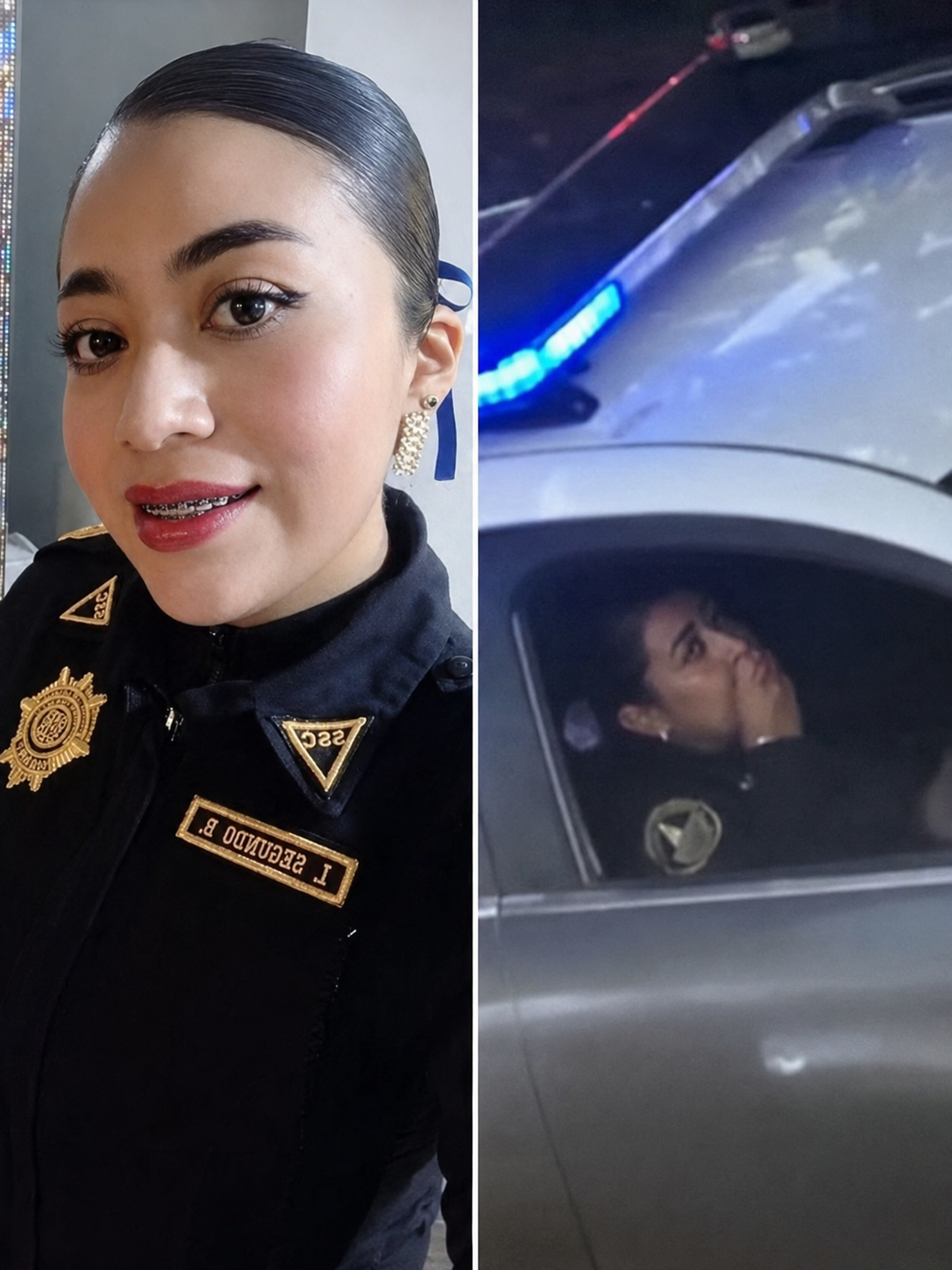
A policewoman who had reportedly been on duty around the stadium area became the center of attention after a short video of her appeared on social media. The clip showed her outside the normal match action, and many users began sharing it rapidly across platforms.
At first, the video was treated by some viewers as a light viral moment. People commented on her appearance, her uniform, and the contrast between the serious atmosphere of football security and the casual nature of the clip. Within hours, the video spread beyond football circles and became a wider online talking point.
However, the attention also raised questions about privacy, respect, and how quickly people in public service roles can become viral without asking for it. Police officers, especially those assigned to major sports events, often work long hours managing crowds, traffic, and security risks. Their job is to help keep order in emotional and sometimes tense environme
nts.
For that reason, some social media users argued that the policewoman should not be judged or mocked simply because a video was recorded after work. Others said that public servants should be careful about how they appear in uniform, especially when a large event is taking place and many cameras are present.
The incident also highlighted how modern football culture extends far beyond the stadium. In the past, discussion after a match focused mainly on goals, missed chances, refereeing decisions, or team performance. Today, one short clip from the stands, the street, or outside the stadium can become as talked about as the game itself.
For América de Cali and Millonarios fans, the match remained part of the competitive st
ory of the season. Both teams had already reached the next phase, but the result and performance still mattered for momentum. Coaches used the game to evaluate players, test strategies, and prepare for tougher matches ahead.
Yet online, much of the public attention shifted from football tactics to the policewoman’s viral moment. It was another reminder that in the age of social media, anyone near a major event can unexpectedly become part of the headline.
Whether the video will have any official consequence remains unclear. For now, it has become a mixture of football story, social media debate, and public curiosity.
What began as a regular league match in Cali ended with a very different kind of conversation—one about fame, privacy, and the unpredictable power of a camera phone.